Skip to content
  • Infi­nitely adjustable rotary table
  • Bal­anc­ing and radio sys­tems (Acoustic Emission)
  • up to 5 work­sta­tions -’ 4 spin­dles and 1 tailstock
  • HF (high fre­quency) and belt spindles
  • Fixed and rotat­ing dressers
  • Process-opti­mized cool­ing water supply
  • Bore grind­ing up to 1200 mm depth
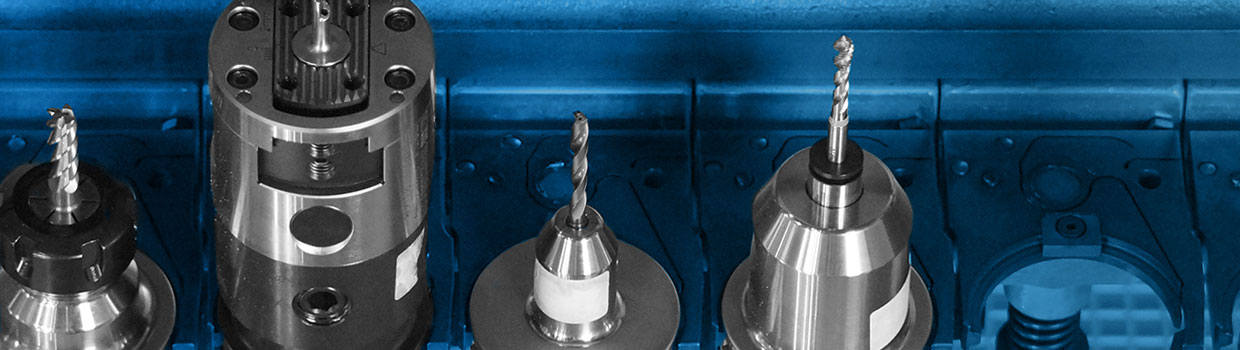
  • Tool changer
  • Infi­nitely adjustable rotary table
  • Bal­anc­ing and radio sys­tems (acoustic emission)
  • Cus­tomized exter­nal grind­ing wheels
  • Fixed and rotat­ing dressers
  • Up to 4 grind­ing wheels
  • Up to 3 dressers on the rotary table
  • Lon­gi­tu­di­nal mea­sure­ment — mea­sur­ing from the zero point
  • Posi­tion or C‑axis measurement
  • Inside diam­e­ter measurement
  • Drilling
  • Grat­ing
  • Spin­dling out
  • Sinks
  • Milling
  • S3 machines with 5x tool magazine
  • S6 machines with 52/​72x tool magazine
  • Inter­nal and exter­nal thread loops
  • Thread cut­ting
  • High pre­ci­sion thread
  • Grind­ing of spher­i­cal shapes
  • Rolling bear­ing raceways
  • Wide range of options thanks to axis interpolation
  • Eccen­tric bores
  • Groove grind­ing in flat surfaces
  • Non-cir­cu­lar grinding
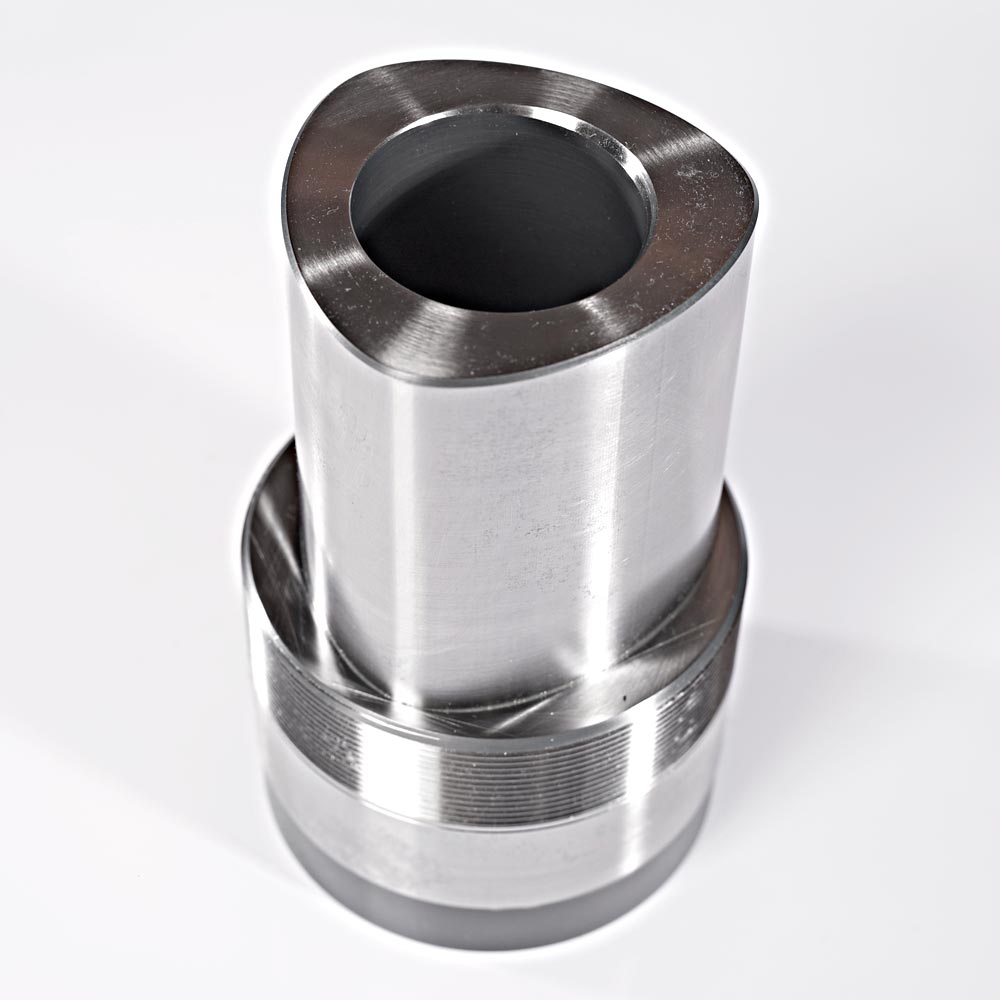
  • Poly­gon loops (P3G, P4C and Capto)
  • Polyg­o­nal loops
  • and much more.
  • Fixed
    • Sin­gle grain dresser
    • Diaform dresser
    • Pro­file dresser
    • and much more.
  • Rotat­ing dresser 
    • Dress­ing and pro­file rollers
  • Com­bined process of many dressers
  • Indi­vid­ual dress­ing technologies

Fully automated steady rest guide

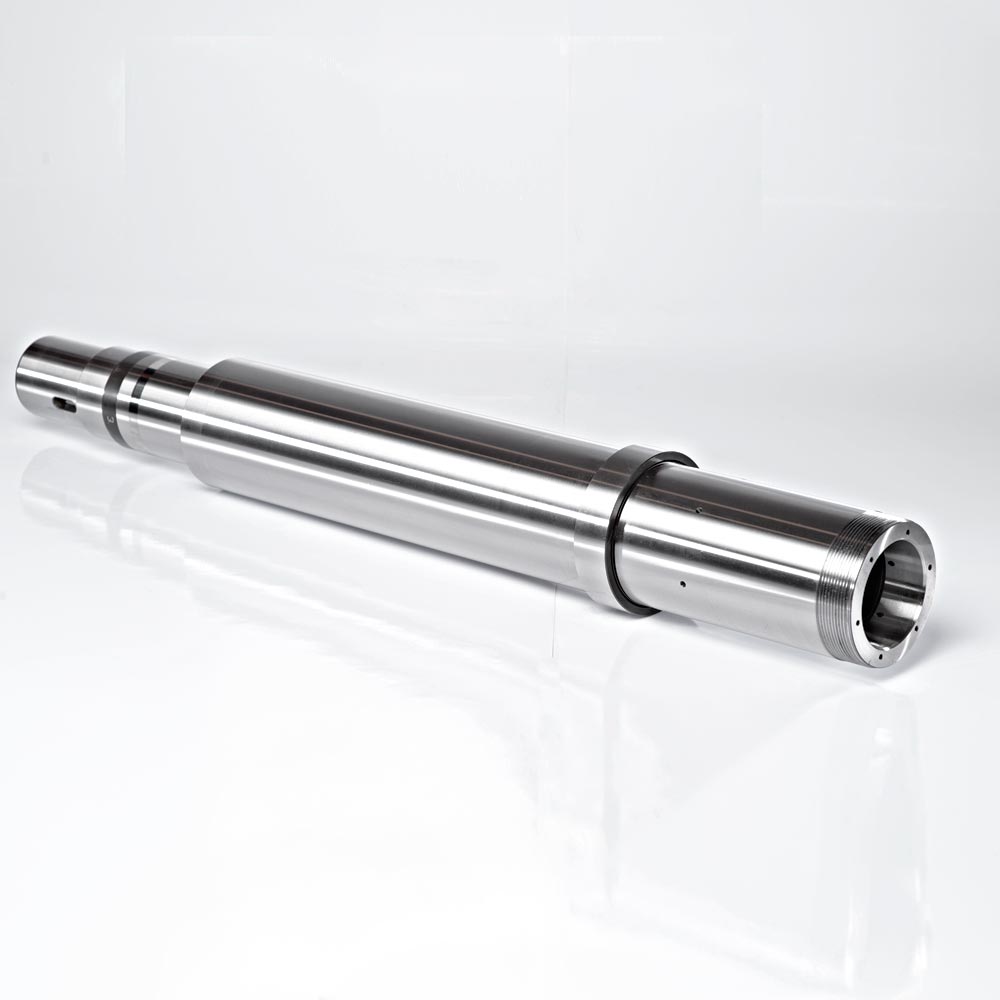
Long and slen­der work­pieces pose spe­cial chal­lenges when grind­ing. After hard­en­ing, con­cen­tric­ity devi­a­tions, dis­tor­tion, dead weight and process forces often lead to sag­ging and unsta­ble machin­ing conditions. 

For these appli­ca­tions, WEMA has devel­oped a process-inte­grated steady rest solu­tion for WOTAN® exter­nal and uni­ver­sal grind­ing machines. The fully auto­mated 2‑point steady rest does not work sta­t­i­cally, but dur­ing the grind­ing process. A spe­cially devel­oped align­ment and grind­ing pro­gram auto­mat­i­cally con­trols the steady rest guide and con­tin­u­ously adapts it to the respec­tive machin­ing situation. 

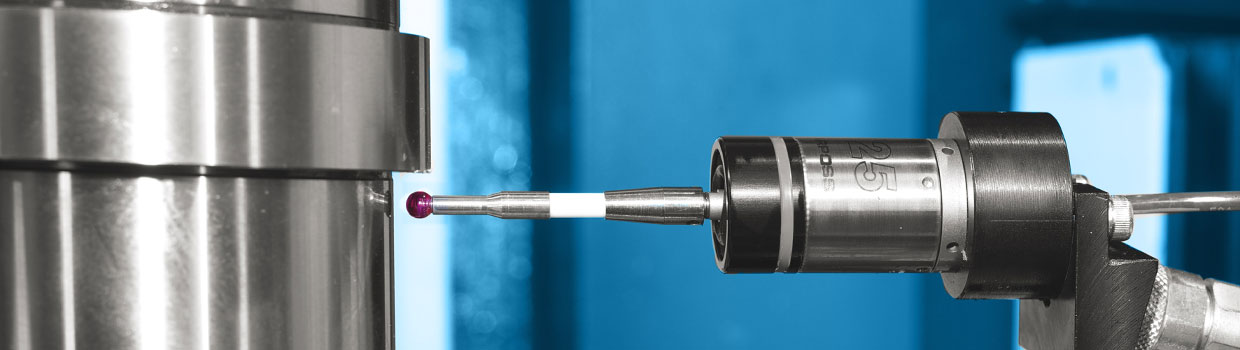
An inte­grated mea­sur­ing probe records rel­e­vant work­piece para­me­ters such as diam­e­ter, sag and con­cen­tric­ity. The steady rest posi­tion is auto­mat­i­cally cor­rected on the basis of these mea­sured val­ues so that influ­ences from upstream processes can be com­pen­sated for in a tar­geted manner. 

The par­tic­u­lar strength of the solu­tion lies in the com­bi­na­tion of machine con­cept, mea­sure­ment tech­nol­ogy and soft­ware. The exper­tise of expe­ri­enced sand­ing spe­cial­ists has been specif­i­cally inte­grated into the soft­ware and thus sys­tem­at­i­cally har­nessed for the process. This increases repro­ducibil­ity, reduces the oper­a­tor’s work­load and cre­ates reli­able process reli­a­bil­ity, even with demand­ing workpieces. 

The result is sta­ble grind­ing con­di­tions, reduced deflec­tion and repro­ducible pre­ci­sion down to the sub-microm­e­ter range. The process strat­egy can be adapted to the work­piece via WOP™ Touch — in the spirit of para­me­ter­i­za­tion instead of pro­gram­ming.

Search